

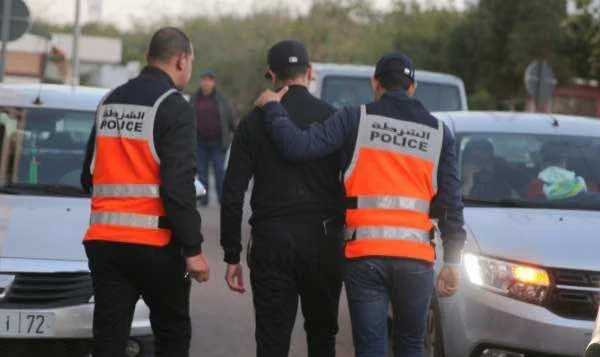
Arrest of a 63-Year-Old Indonesian National in Marrakech
A 63-year-old Indonesian national was arrested by police in Marrakech on Tuesday. The individual was the subject of an international arrest warrant issued by authorities in Indonesia. The arrest came after a routine check of the Interpol database revealed that the suspect was under a red notice, which was issued at the request of the National Central Bureau in Jakarta.
The suspect is alleged to have been involved in financial corruption and large-scale manipulation within Indonesia’s capital markets. These allegations have led to significant legal actions being taken against him, both domestically and internationally.
Extradition Procedures Initiated
Following the arrest, the suspect has been placed under extradition procedures as instructed by the competent public prosecutor’s office. This step is crucial in ensuring that the individual can be transferred back to Indonesia to face the charges brought against him.
The process involves several legal formalities, including the preparation of necessary documentation and coordination between the relevant authorities in both countries. The goal is to ensure that the individual is handed over to the appropriate judicial system in Indonesia, where he will be able to answer for the alleged crimes.
Role of Interpol in the Extradition Process
The Interpol National Central Bureau in Rabat, operating under the General Directorate of National Security (DGSN), has been assigned the responsibility of notifying its Indonesian counterpart about the arrest. This communication is a vital part of the extradition process, as it allows for the exchange of information and the initiation of further legal steps.
Interpol plays a key role in facilitating international cooperation among law enforcement agencies. Its red notices serve as a critical tool in identifying and locating individuals who are wanted for serious crimes. In this case, the red notice was instrumental in leading to the arrest of the suspect in Morocco.
Legal Implications and International Cooperation
The arrest highlights the importance of international cooperation in combating financial crimes. As global economies become increasingly interconnected, the need for collaboration between different countries’ law enforcement agencies has never been more critical.
Financial corruption and market manipulation can have far-reaching consequences, affecting not only the economies of the countries involved but also the trust of investors and the stability of financial systems. The arrest of this individual demonstrates a commitment by both Moroccan and Indonesian authorities to address such issues effectively.
Conclusion
The arrest of the 63-year-old Indonesian national in Marrakech underscores the effectiveness of international legal frameworks and the importance of cross-border cooperation. As the extradition process continues, it is expected that the individual will be returned to Indonesia to face the charges against him.
This case serves as a reminder of the ongoing efforts by global law enforcement agencies to tackle financial crimes and ensure justice is served. It also emphasizes the need for continued vigilance and collaboration in maintaining the integrity of financial markets worldwide.