

Tragic Collapse at Bantar Gebang Landfill in Indonesia
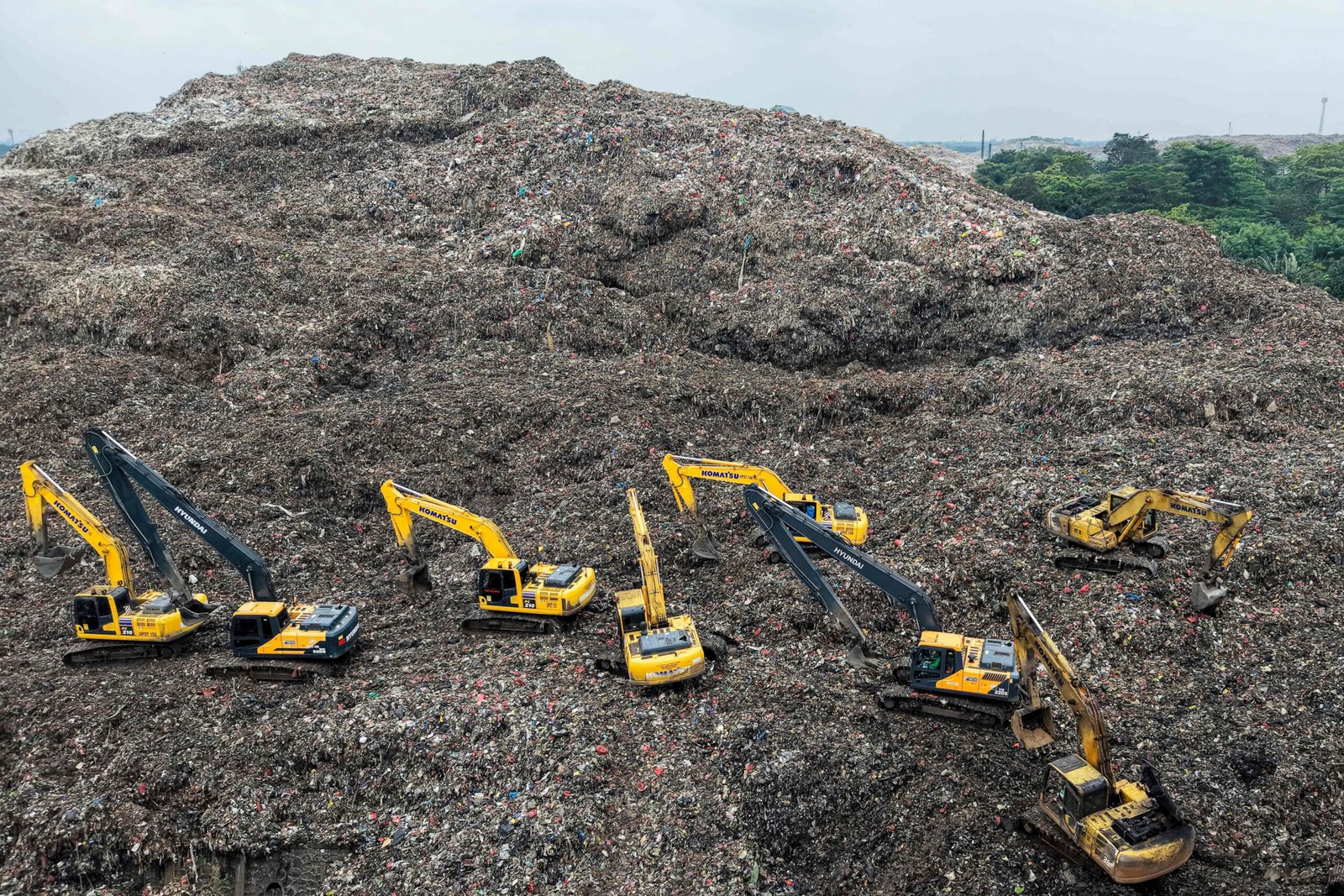
A devastating incident occurred at the Bantar Gebang landfill, one of the largest waste disposal sites in the world, when a massive pile of garbage collapsed. The event took place on the 8th at around 2:30 p.m. local time in Bangkasi, a city located on the outskirts of Jakarta, Indonesia. The collapse buried nearby trucks and street vendors, resulting in the tragic loss of seven lives. Among the victims were a waste collection vehicle driver and several street vendors who were working at the site.
As of now, 13 individuals have been confirmed as victims of the accident. Six people, apart from those who lost their lives, were rescued and are currently receiving medical treatment. Desiana Kartika Bahari, the director of Jakarta’s search and rescue operations, made a statement on the 10th, saying, “All victims have been found.” She further noted that with no additional reports of missing persons, the search and rescue efforts have come to an end.
The Scale of the Bantar Gebang Landfill
The Bantar Gebang landfill is recognized as the world’s largest open waste disposal facility. It plays a crucial role in managing the household waste generated in Jakarta, processing up to 8,500 tons of waste every day. The landfill covers an area of 2.74 million square meters, which is equivalent to more than 380 soccer fields. It features a towering mountain of compacted waste that reaches a height of 50 meters. At the time of the collapse, approximately 55,000 tons of waste had accumulated at the site.
Criticism and Responsibility
Hanif Faisol Nurofiq, the Minister of Environment for Indonesia, expressed his criticism towards the Jakarta provincial government for not enforcing a 2008 ban on open landfills. In an interview with local media, he emphasized that since this landfill falls under Jakarta’s administrative jurisdiction, it is the responsibility of the local government to address the issue.
Future Plans for Waste Management
Earlier, President Prabowo Subianto of Indonesia highlighted concerns about the capacity of existing landfills, predicting that most of them will exceed their limits by around 2028. To address this challenge, he announced plans to invest 3.5 billion dollars (approximately 5.13 trillion Korean won) in constructing waste-to-energy facilities. These facilities will be designed to incinerate garbage and generate electricity within the next two years.
Additional Information
For those interested in membership programs, there are various options available. One such program offers a monthly subscription of 5900 won, with a discounted rate of 2900 won for newspaper readers. Another option provides access to 8 different newspapers and magazines worth 55000 won, along with 7000 points that can be used like cash for shopping. This membership program, known as Chosun Membership, allows for convenient and cost-effective access to a wide range of publications.