

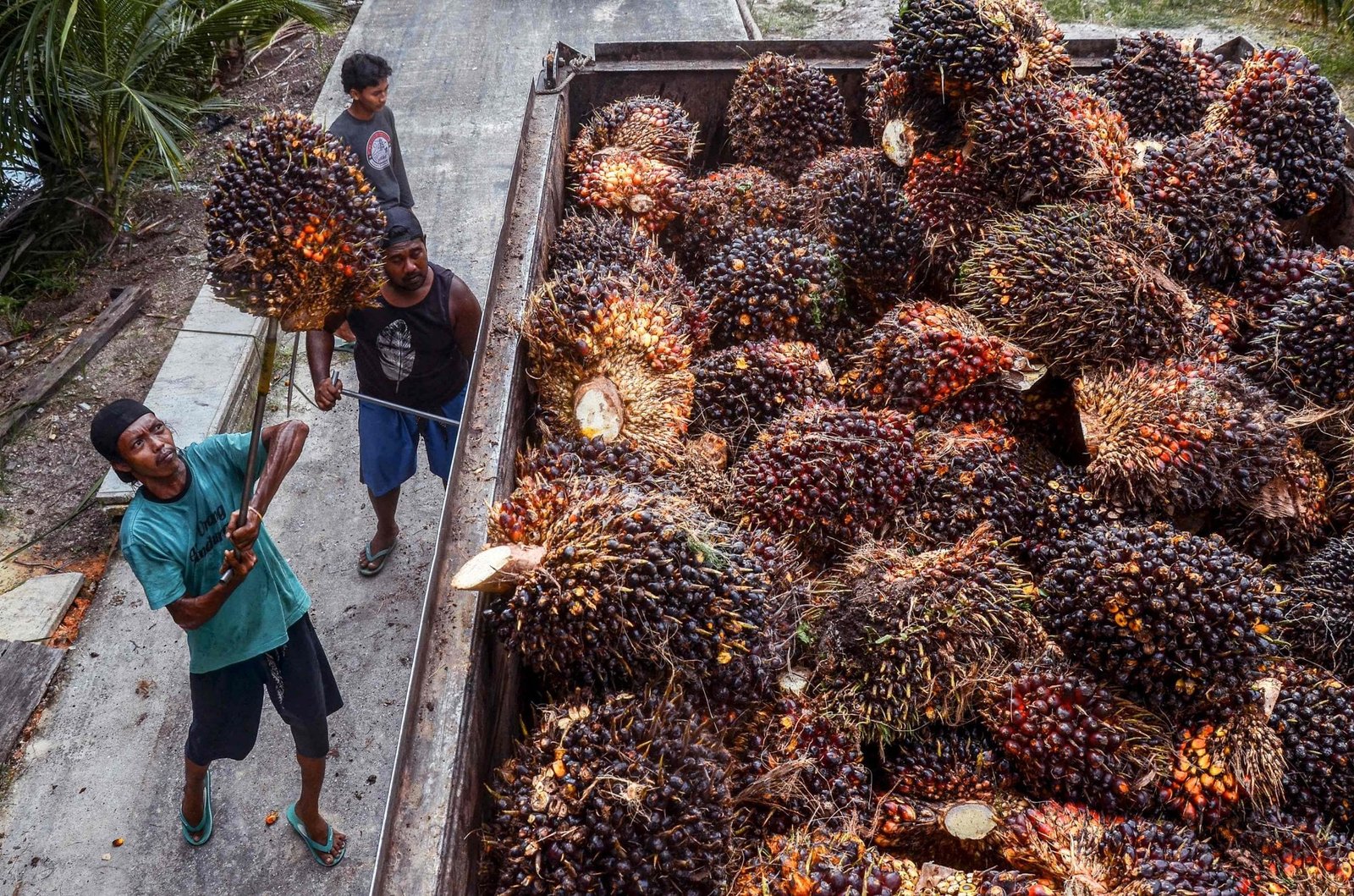
The Controversial Trade Deal Between Indonesia and the United States
A trade agreement between Indonesia and the United States has sparked intense debate, with nearly 80 civil groups and 65 academics signing a petition urging the Indonesian parliament to block its ratification. The deal, which was signed by President Prabowo Subianto on February 19, is seen by critics as a “shameful” surrender of national sovereignty, while the government describes it as a “win-win solution.”
The negotiations in Washington resulted in over 200 obligations for Indonesia, including a reduced tariff rate of 19% on exports to the US and zero-tariff access for 1,819 goods such as palm oil, coffee, cocoa, rubber, and spices. In exchange, Jakarta agreed to extend tariff exemptions to more than 99% of American goods and remove key non-tariff barriers, such as local content requirements and halal certification, for US companies operating in Indonesia.
The deal also includes commercial agreements and investment flows worth around US$33 billion, with a commitment to purchase US$13.5 billion worth of Boeing jets for Garuda Indonesia. However, the US Supreme Court later struck down the legal basis for the tariff threat that had driven the negotiations, leading to renewed scrutiny of the agreement.
A Win-Win or a Blank Cheque?
Coordinating Minister for Economic Affairs Airlangga Hartarto defended the deal as a “win-win solution,” highlighting that Indonesian exports to the US grew by 12% last year despite the tariff climate. He argued that the agreement would help balance the trade relationship, allowing the US to enjoy Indonesia’s market while ensuring Indonesia benefits from US imports.
However, critics argue that the deal is imbalanced. The 1,819 products granted zero-tariff entry to the US represent only about 2% of Indonesia’s total exports, while the US market accounts for roughly 10% of the country’s export trade. The Centre of Economic and Law Studies think tank has raised 21 objections to the deal, urging the government to withdraw from the agreement immediately.

On Sunday, nearly 80 civil organizations and 65 academics launched a public petition denouncing the agreement as “clearly inconsistent with the spirit of the constitution.” Economist Yanuar Rizki, one of the signatories, called the deal “shameful” and criticized the lack of public participation in its negotiation.
Political Challenges and Domestic Resistance
Indonesia has yet to ratify the trade agreement, which would become effective 90 days after ratification. The time frame set for ratification was 60 days from the day of signing. However, opponents face a challenging path to block the deal, as 81% of legislators belong to Prabowo’s ruling coalition.
Herman Khaeron, a lawmaker on a parliamentary commission that oversees trade, stated that no ratification date had been set because parliament was still in recess. This left a narrow window for action, according to Rizki, who urged public pressure to encourage the House not to ratify the agreement.
The China Factor and Geopolitical Implications
Beyond tariff rates, the trade deal includes provisions that some economists call “poison pills”—clauses that constrain Indonesia’s freedom to do business with countries not aligned with Washington’s interests. For instance, Jakarta has agreed to act against foreign-owned companies operating in Indonesia whose practices, such as exporting goods to the US at below-market prices, are deemed harmful to American trade.
The deal also requires Indonesia to curb excessive production and exports by foreign-owned miners of critical minerals like nickel, cobalt, bauxite, tin, copper, and manganese. Analysts see this as an attempt to curtail Chinese dominance in Indonesia’s critical mineral sector.
The agreement also opens Indonesia’s critical mineral exports to American firms and pledges “expedient development” of its rare earth sector with the US. Rimawan Pradiptyo, an economist, warned that the deal risks making Indonesia a vassal state of the US, forcing it to be hostile to China and potentially inviting economic retaliation from Russia.
Differing Perspectives on the Deal
Other observers have taken a more optimistic view. Muhammad Habib, an international relations researcher at the Centre for Strategic and International Studies (CSIS) Indonesia, said that some provisions of the deal, such as enhanced labor rights and stronger environmental protections, should be welcomed. He also pushed back on the idea that the deal would force Indonesia to take sides permanently.
Economist Riandy Laksono, a fellow CSIS researcher, argued that the deal is less a commercial transaction and more about security alignment and projecting US values. “If we can’t fight the bully, we join the gang,” he said, suggesting that the deal could protect Indonesia from future US mischief.
Whether the deal is worth the cost remains a matter of debate. The House of Representatives will ultimately decide whether to ratify the agreement, weighing the potential benefits against the concerns raised by critics.