

France’s Naval Presence in the Indian Ocean: A Strategic Response to Maritime Challenges
Long before the current crisis in the Middle East, which has pitted the US and Israel against Iran, the main threats to maritime security in Eastern Africa were piracy, drug trafficking, and illegal fishing. These issues have long posed risks to shipping routes, but as geopolitical tensions escalate, the need for maritime security has become even more critical.
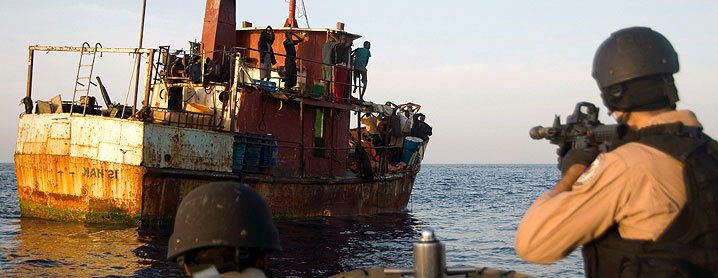
A fleet of French warships recently departed from Mombasa after completing a four-day mission aimed at preparing forces on both sides to address sea crimes. This mission is part of a larger five-month operation that will see the ships travel from Egypt to Kenya through the Indian Ocean to Indonesia.
Captain Jocelyn Delrieu, Commander of the French task force Jeanne d’Arc 2026, highlighted the importance of this mission. The task force consists of three landing craft and is designed to patrol the Indian and Pacific Oceans while dealing with geopolitical uncertainties. “In the past weeks, we were engaged in the EU Atalanta mission, as part of the task group which aims to tackle piracy off the Horn of Africa and the Indian Ocean,” he said aboard the Dixmude, one of the largest French warships. “We will have the opportunity to enforce freedom of navigation through the South China Sea.”
Maritime disruptions can significantly impact net importers. For instance, when piracy off the coast of Somalia increased, insurance companies raised premiums for covering ships passing through the region. Similarly, when the war in Iran erupted on February 28, three major shipping lines—Mediterranean Shipping Company, Hapag-Lloyd, and CMA CGM—imposed war-risk and emergency conflict surcharges on African cargo starting from March 2026. In response, the French deployed the aircraft carrier Charles de Gaulle in the Mediterranean shortly after the conflict began.
A recent report by the UN Conference on Trade and Development warned that commodity prices will continue to rise due to these disruptions. These incidents have compelled Paris to strengthen its collaboration with partners in the Indian Ocean, especially those in Eastern and Southern Africa.
“Our presence in Kenya is tied to the defense of our territories in the Indian Ocean—Mayotte and Reunion,” Captain Delrieu explained. These territories are part of the Western Indian Ocean rim, which includes coastal countries in eastern and southern Africa. Historically, these nations have formed coalitions to combat maritime crimes and work together on marine conservation efforts.
The helicopter carrier Dixmude is an impressive vessel, measuring 200 meters in length and comparable in size to four Airbus 380s. It is equipped to detect threats, deploy responses, and transport troops. The three-vessel task group that arrived in Mombasa included 800 sailors, among them 160 cadets.
France’s naval operations are not isolated. They follow the arrival of Italian and Spanish vessels in Mombasa as part of the EU-Kenya security collaboration. “Our responsibility is to protect the Indian Ocean collectively,” said Arnaud Suquet, the French ambassador to Kenya.
In addition to its role in the EU’s Operation Atalanta, the French navy plays a vital part in patrolling the Somali Sea to deter, prevent, and repress piracy and armed robbery. The operation also monitors fishing activities in the Horn of Africa and the western Indian Ocean, counters drug trafficking, and enforces the United Nations arms embargo on Al-Shabaab.
As global trade faces increasing challenges, the strategic presence of French naval forces in the Indian Ocean underscores the importance of maintaining stability and security in these critical waters. Through international cooperation and robust maritime operations, nations aim to safeguard shipping routes and ensure the free flow of goods across the world’s oceans.