

A New Frontier in Synthetic Fuel Production
A Shanghai-based start-up is making headlines with its ambitious plan to build large-scale facilities that convert carbon dioxide into synthetic fuel. The company, Carbonology, claims to have developed a technique for producing synthetic petroleum at low cost from air and water, using solar and wind energy. This development comes as China intensifies its efforts to find alternatives to traditional fossil fuels, especially amid the ongoing tensions between the US and Israel against Iran.
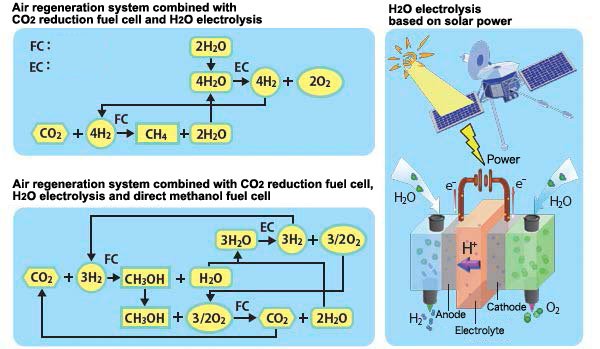
According to reports, Carbonology has created a process that extracts carbon dioxide from air and water, transforming it into artificial fuel. The company, co-founded by a former vice-president at Tesla in 2024, says it has managed to reduce costs enough to sell synthetic petrol, diesel, jet fuel, and naphtha at market-competitive prices. While the specifics remain undisclosed, the firm is preparing to roll out large-scale production capacity in China.
During a phone interview, a member of staff at Carbonology confirmed the report’s accuracy but declined to provide further details. The company is part of a growing wave of Chinese firms exploring technologies that capture carbon dioxide from the air. Although direct air capture (DAC) techniques have moved from laboratory curiosity to reality over the past decade, most captured greenhouse gases have been stored underground rather than converted into fuel.
The announcement by Carbonology coincides with intensifying military conflicts in the Persian Gulf, which have caused significant disruptions in global energy markets. Shipping delays, attacks on infrastructure, and production cuts have led to severe price volatility. China, which relies on imports for more than 70% of its crude oil—much of it sourced from the Middle East—has been investing heavily in alternative energy sources as part of its energy security strategy.
China’s National Energy Administration has encouraged the application of carbon capture, utilisation, and storage technologies. However, it remains unclear how close Carbonology is to commercializing its technology. According to corporate database Tianyancha, the company has registered capital of more than 14 million yuan (US$2 million). It completed an angel financing round last year, raising “tens of millions of yuan.”
In January, Carbonology unveiled a 300 million yuan research and development centre in Shanghai alongside a synthetic aviation fuel production line. The new centre aims to drive the transition of its core technologies from laboratory to industrialization. However, given the energy-intensive nature of the process, any future commercial operations are likely to be located near large-scale solar and wind power facilities in western China.
Despite these advancements, challenges remain. A study published in the academic journal Energy Conversion and Management in January highlighted several obstacles to commercializing the production of synthetic fuels using renewable energy. Projects remain capital-intensive and expensive to run, have relatively low energy conversion efficiency, and lack the infrastructure and regulatory support needed for large-scale deployment.
Currently, synthetic fuels produced by such projects cost about US$14 per gallon, which is four times the price of petrol in the United States, according to a report by the Financial Times. This high cost poses a significant barrier to widespread adoption.
As the world continues to search for sustainable energy solutions, companies like Carbonology represent both promise and challenge. Their innovations could play a crucial role in reducing reliance on fossil fuels, but the path to commercial viability remains complex and uncertain.