
Introduction to the Solar Power Initiative
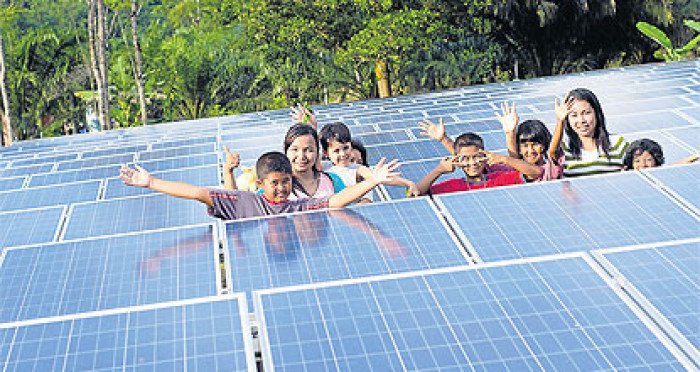
Schneider Electric Nigeria has introduced a smart solar power system at Ikeja Central Grammar School, providing reliable and sustainable electricity to more than 500 students and teachers. This initiative is part of Schneider Electric’s global Access to Energy program, which aims to increase electricity access in underserved communities, especially in education and healthcare sectors.
The project features a 3.3 kWp photovoltaic system, a 4 kW hybrid inverter, and a 10 kW battery storage unit. These components generate an average of 12 kWh daily, ensuring consistent power supply. The system is monitored remotely through Schneider Electric’s EcoStruxure Energy Access platform, enabling real-time energy management, performance tracking, and automatic switching based on the school’s schedule. This integration of IoT and smart energy technology ensures uninterrupted power and efficient usage.
Key Benefits of the Project
The deployment of this solar power system has brought several benefits to the school:
- Reliable Electricity: Students and teachers now have consistent access to electricity, which supports digital learning tools and enhances classroom comfort.
- Improved Learning Environment: With proper lighting, operational fans, and reliable internet, students are more engaged and participate actively in lessons.
- Energy Efficiency: The system allows for efficient energy use, reducing dependency on traditional power sources and lowering costs.
Country President of Schneider Electric, Anglophone Africa, Ajibola Akindele, emphasized the importance of reliable electricity in creating effective learning environments.
“Access to energy and access to education are core priorities for us. Primary and secondary school students are the foundation of the future, and supporting them at this stage can lead to better long-term outcomes. Through smart energy solutions, we are helping schools embrace digital learning tools and create safer, more conducive classrooms,” he said.
Support from Local Authorities
The initiative has received strong support from local authorities. Executive Chairman of Onigbongbo LCDA, Moyosore Adebanjo, expressed the council’s commitment to partnering with Schneider Electric to expand the project to other schools in Lagos State.
“We see the direct impact of this technology on teaching and learning, and we are eager to explore further collaborations to reach more students,” he said.
Immediate Impact on the School
For Ikeja Central Grammar School, the impact of the solar installation is immediate. Head Teacher Mrs Sanni Kudirat noted that the school had struggled with unreliable electricity for two years, limiting the use of digital tools, lighting, and classroom comfort.
“With this solar installation, classrooms are properly lit, fans are operational, internet access is reliable and administrative activities run smoothly. Students are more engaged, and their participation in lessons has improved,” she said.
Educational and Environmental Benefits
Beyond powering classrooms, the project introduces students to renewable energy technologies, helping build early awareness of sustainable solutions. Schneider Electric’s approach demonstrates how technology-driven energy access can transform educational outcomes, supporting both environmental sustainability and digital learning.
The initiative also aligns with the United Nations Sustainable Development Goals, particularly SDG 4 (Quality Education) and SDG 7 (Affordable and Clean Energy), reinforcing Schneider Electric’s commitment to advancing inclusive development through innovative, technology-driven energy solutions.