

Introduction to the New Biometric SIM Registration System
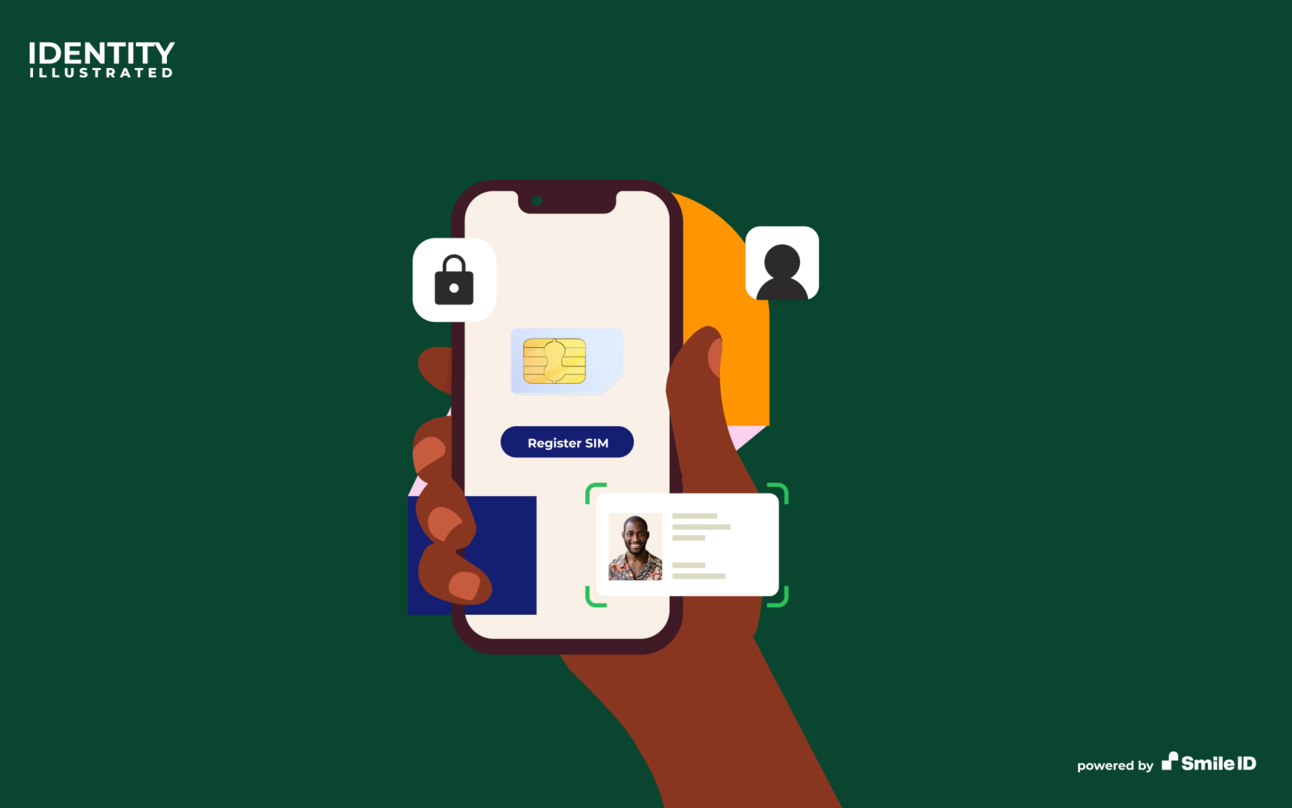
Ghana is set to implement its first fully biometric SIM registration system, a significant move aimed at enhancing consumer protection and ensuring the integrity of the national telecommunications infrastructure. This initiative, announced by the Minister for Communication, Digital Technology and Innovation, Samuel Nartey George, marks a major shift from previous practices that were more focused on procurement than on safeguarding users.
The announcement was made during a stakeholder engagement between the National Communications Authority (NCA) and the media on SIM registration, held at the NCA office in Accra on 17 March 2026. The minister emphasized that this new system represents a fundamental change in how SIM cards are registered and verified.
A New Approach to SIM Registration
George highlighted that the process has involved nearly a year of policy and regulatory work, with the primary goal being to place the public at the center of the registration exercise. He stated that the comfort and security of the public must be the main focus of the entire process.
The involvement of both the NCA and the National Identification Authority (NIA) leadership in the engagement signifies a new level of cooperation between these institutions. For the first time in Ghana’s history, the heads of these organizations have come together to discuss the registration process, signaling a departure from past practices.
Technical and Regulatory Framework
The Director-General of the NCA, Edmund Yirenkyi Fianko, outlined the technical and regulatory framework underpinning the new registration system. He explained that the exercise will focus on registering mobile numbers rather than SIM cards. “What you are actually registering is your number because you can keep your number and change the SIM,” he said.
Fianko pointed out that previous registration exercises had significant weaknesses, including inadequate identity verification. A joint validation exercise conducted by the NCA and the NIA in June 2025 revealed that only 81.1% of 2.3 million records matched official identity data. Additionally, biometric verification, particularly fingerprint matching, recorded zero matches.
Addressing Fraud and Identity Misuse
Earlier systems relied on partial verification, where ID numbers, names, and dates of birth were checked without confirming that the person presenting the ID was the actual owner. There was no liveliness check at the beginning, and even when biometric data was captured, it was not verified against the NIA database.
These gaps have led to instances of fraud and identity misuse, with some individuals unknowingly linked to SIM cards used for criminal activities. The new registration framework aims to address these issues by introducing mandatory real-time biometric verification, including facial and fingerprint authentication, to ensure that every mobile number is linked to a verified identity.
Legal and Operational Updates
The government is also updating the legal framework governing SIM registration, replacing the outdated 2011 regulations to better reflect the current digital ecosystem. Under the new rules, Ghanaians will be required to use only the Ghana Card to register SIMs, while foreign residents must use the non-citizen Ghana Card. Tourists will be allowed to register with passports, but their SIMs will be valid for only 90 days.
The system will introduce a centralized national SIM database and provide for self-service registration through secure digital platforms with multi-factor authentication. Fianko assured that the NCA will ensure the process is convenient, with options for assisted registration at designated centers and mobile teams to support users, especially in rural areas.
Enhanced Security Measures
In addition, the government is introducing a Central Equipment Identity Register (CEIR) to track mobile devices across networks. The CEIR will enable authorities to block stolen phones and prevent unapproved or illegal devices from operating, thereby discouraging phone theft and improving overall telecom security.
“It will help us block stolen phones… so that there will be no incentive to take somebody’s phone,” Fianko explained.
Broader Implications
The new regulations will also address issues such as SIM ownership transfers, registration for minors, and proper categorization of corporate SIMs, while strengthening collaboration among key institutions, including the NCA, NIA, mobile network operators, the Ghana Immigration Service, and the Ministry of Foreign Affairs.
The government’s overarching goal is to deliver a more secure, efficient, and consumer-friendly SIM registration process that supports national security while safeguarding users.
Conclusion
The introduction of the biometric SIM registration system marks a significant step forward in Ghana’s efforts to enhance digital security and protect consumers. With a focus on real-time verification, legal updates, and improved collaboration, the new system aims to create a more transparent and reliable telecommunications environment for all users.