

Rising Oil Prices and Fiscal Challenges in Indonesia
Higher oil prices are creating a significant financial burden for Indonesia, as the country faces the challenge of maintaining fuel subsidies while managing its budget under increasing scrutiny from global investors. Analysts warn that if the conflict between the US and Israel escalates further, leading to higher oil prices, it could push Indonesia into a fiscal squeeze. This situation is especially concerning because the country’s budget is already under pressure from external factors, including the ongoing war in the Middle East.
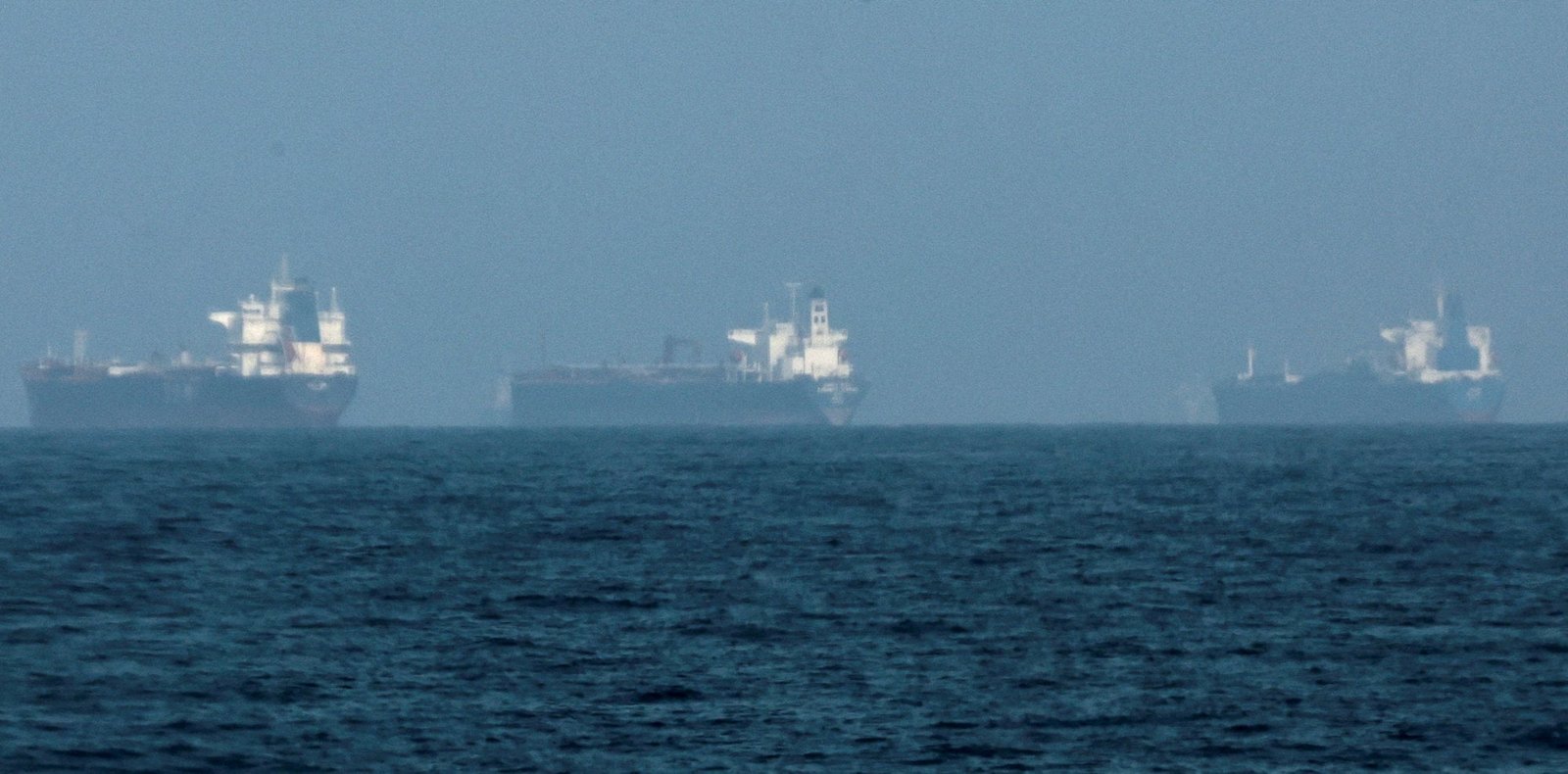
The Strait of Hormuz, a critical shipping route for Gulf energy exports, has experienced disruptions due to the conflict, causing Brent crude prices to rise above $85 per barrel this week. This marks the first time since July 2024 that such a price level has been reached. For Indonesia, which relies heavily on imported fuel, these rising prices translate directly into increased pressure on the state budget.
Fuel Subsidies and Budgetary Pressures
Indonesia’s government has allocated 210.1 trillion rupiah (US$12.4 billion) for energy subsidies this year, representing a 14.5% increase from last year’s budget. Finance Minister Purbaya Yudhi Sadewa warned that if oil prices reach $90 to $92 per barrel, the deficit could rise to around 3.6% of GDP without any changes to the current budget.
This potential increase in the deficit poses a risk to investor confidence, especially given that global credit rating agencies have already revised their outlooks on Indonesia’s economy. Fitch recently downgraded the country’s sovereign credit outlook to negative, while Moody’s also changed its outlook to negative, citing concerns over policy uncertainty and government spending on President Prabowo Subianto’s priority programs.
Credit Rating Warnings and Economic Concerns
In January, MSCI halted changes to Indonesian stock listings due to transparency issues, resulting in a loss of US$120 billion in market value. This has further heightened concerns about the stability of Indonesia’s economy.
Economists like Bhima Yudhistira, executive director at the Centre of Economic and Law Studies, argue that the downgrade in credit ratings should serve as a warning for Jakarta to tighten fiscal discipline. He pointed out that there is pressure on the state budget from weakening purchasing power and weak tax revenue, with government spending being directed toward inappropriate areas.
Wijayanto Samirin, a senior economist at Paramadina University, added that S&P Global Ratings is likely to lower its outlook for Indonesia to negative, which would be particularly challenging since S&P is the market leader in credit ratings.
Fiscal Adjustments and Energy Security
To prevent a widening deficit, economists suggest that Jakarta should consider cutting the budget for Prabowo’s socialist programs and redirecting funds to energy subsidies. This adjustment would help avoid inflation, especially ahead of Eid ul-Fitr, the busiest holiday and travel season in Indonesia.
For every $1 increase in oil prices, the subsidy must be increased by 3 to 4 trillion rupiah for one year. If the budget for free meals and village cooperative programs cannot be shifted, it will be difficult to manage the financial strain.
Bhima estimates that the government will need 314 trillion rupiah for energy subsidies. Finance Minister Purbaya has indicated that the government is willing to scale back the $20 billion free meals scheme to save about 100 trillion rupiah.

Fuel Scarcity and Supply Chain Issues
Fuel scarcity has become a more pressing concern than rising prices, according to Piter Abdullah Redjalam, policy and programme director at the Prasasti Centre for Policy Studies. He emphasized that if the supply chain is disrupted for an extended period, fuel shortages could persist regardless of price levels.
Bahlil Lahadalia, minister of energy and mineral resources, revealed that Indonesia’s emergency oil reserves are equivalent to only 23 days of consumption, which is slightly above the national minimum standard of 21 days. However, he noted that storage capacity is limited to 25 to 26 days’ worth of consumption.
Indonesia imports up to 25% of its crude oil from the Middle East, which also accounts for 30% of the country’s liquefied petroleum gas imports. Two oil tankers belonging to state energy firm Pertamina remain stuck in the Strait of Hormuz as of Friday, adding to the challenges of ensuring fuel availability.
To address these issues, Bahlil stated that Indonesia plans to boost oil imports from the US. The government must inform the public about potential risks and steps to mitigate them, including encouraging energy conservation to manage the situation effectively.