

The Rise of Drone-on-Drone Warfare in Ukraine
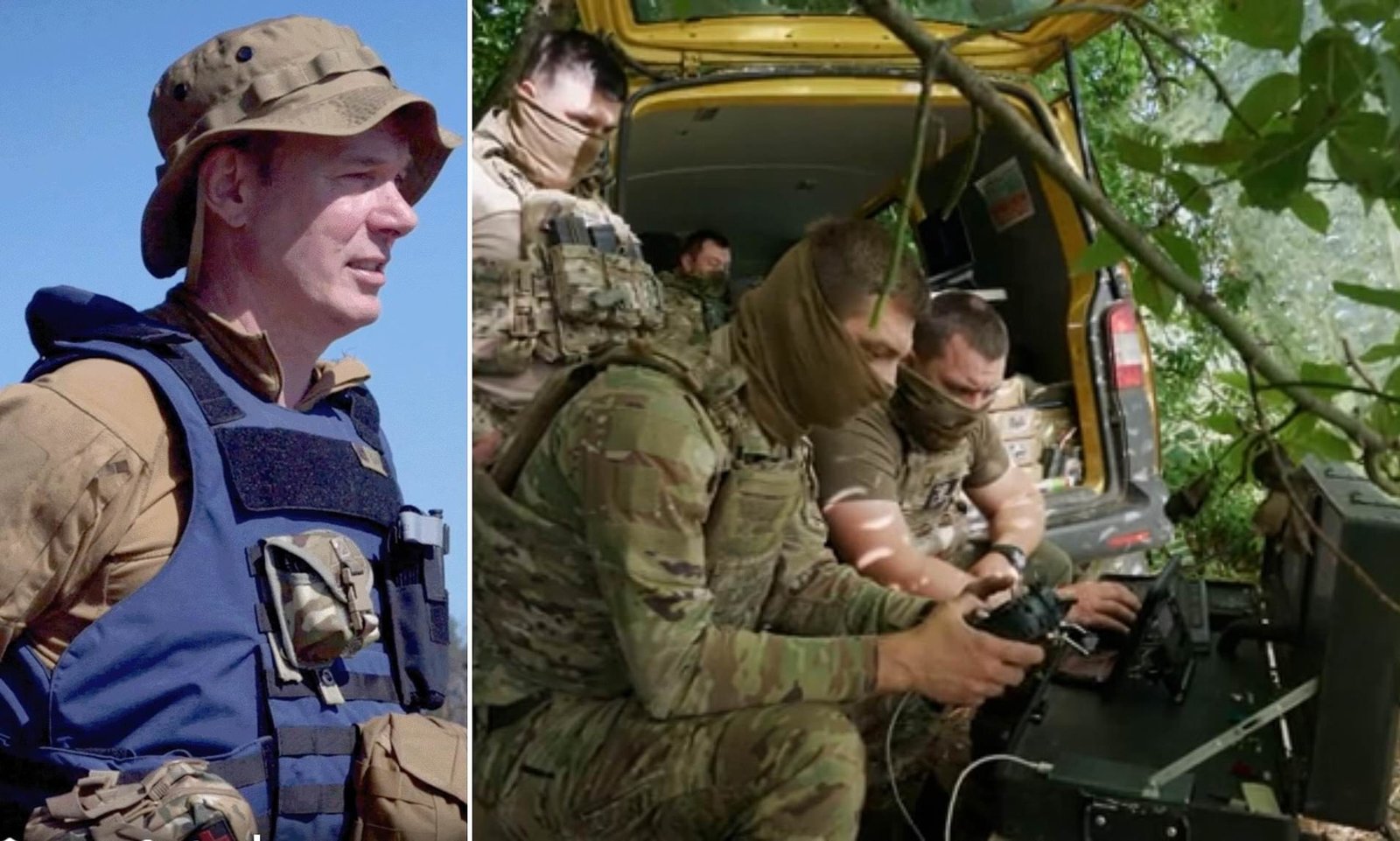
In a groundbreaking shift in modern warfare, Ukraine has pioneered a new form of combat known as drone-on-drone warfare. This innovative approach has been highlighted in the latest episode of the Daily Mail’s Crossfire YouTube series, where veteran war reporter Richard Pendlebury joined Ukrainian soldiers on the front lines in Sumy. The focus of the episode was on how Ukraine is adapting to the evolving threat of drone attacks.
Since the conflict between Russia and Ukraine began, drones equipped with explosives have become a major factor in the battlefield, accounting for up to 80% of all wartime casualties. Russia has taken advantage of this by purchasing cheap drones from Iran, enabling them to overwhelm Ukrainian air defenses by deploying hundreds of drones in a single night.
The challenge for Ukraine has been the limited availability of American-made missiles, which are effective against drones like the Shahed. However, these missiles are in short supply due to restrictions on military aid imposed during the Trump administration. Additionally, the cost of these missiles is extremely high, with a single Patriot interceptor costing up to $4 million.
A New Strategy: Kamikaze Drones
To counter this growing threat, Ukraine has developed a new generation of ‘kamikaze’ drones designed specifically to hunt and destroy enemy drones. This strategy is not only cost-effective but also represents a significant shift in military tactics. The use of these drones has attracted the attention of both the United States and Israel, who are facing similar challenges in their conflicts with Iran.
Operation Epic Fury, a coordinated bombing campaign launched two weeks ago against the Islamic Republic, has led to retaliatory actions from Iran. The country has responded with sweeping Shahed drone attacks against Israeli cities, U.S. military bases, and Western allied Gulf states. In this context, the role of Ukraine’s drone interceptors becomes even more critical.

How Drone-on-Drone Combat Works
Crossfire host Richard Pendlebury explains the mechanics of drone-on-drone combat, highlighting the importance of this technology in modern warfare. “Drones have come to dominate the battlefield in Ukraine to an extent which is hard to imagine unless you’re here,” he said. “Current missile air defense systems are prohibitively expensive when it comes to combating drones. The solution? The adaptation of the existing kamikaze drones concept to hunt and kill the enemy’s own.”
One example of this innovation is the Techno Taras, an interceptor drone built solely to knock down Russian reconnaissance drones. This model is entirely Ukrainian-made and is a testament to the country’s technological advancements in the field of drone warfare.
The Techno Taras: A Lightweight and Effective Solution
The body, fuselage, and wings of the Techno Taras are made from polystyrene, making it extremely lightweight. It is launched using compressed air and then operates under its own power. The drone can fly for up to an hour at a maximum altitude of 6000 meters and has a range of more than 35 kilometers, with a top speed of 160 kilometers per hour.
Unlike traditional methods of destroying drones, the Techno Taras does not rely on ramming. Instead, it carries 600 grams of explosives in its nose, which can be remotely detonated by an operator. If the drone fails to find a target, it can be recovered and reused, much like a 1940s Spitfire.
Real-World Impact and Future Implications
During his time with Ukraine’s Kraken unit, Pendlebury witnessed firsthand how effective these drone interceptors have become. The unit’s hilltop position has drawn relentless Russian artillery fire, emphasizing the strategic importance of their operations.
This week, as Iranian Shahed drones continue to attack U.S. military bases across the Persian Gulf, President Zelensky confirmed that Ukrainian drone interceptor teams have been dispatched to Jordan at Washington’s request. This move underscores the global significance of Ukraine’s drone warfare strategy.
For those interested in seeing the drone interceptors in action, subscribing to the Daily Mail’s Crossfire YouTube channel is recommended. The footage provides a unique insight into the evolving nature of modern warfare and the critical role that drones play in shaping the battlefield.