

Indonesia Faces Fiscal Challenges Amid Rising Oil Prices
Every year, roughly half of Indonesia’s 288 million people pack into trains, buses, ferries, and cars and head home. The mudik, as the great Eid ul-Fitr exodus is known, is one of the largest annual human migrations on Earth and a ritual of return that defines the end of the holy fasting month of Ramadan.
This year, the Ministry of Transportation estimates that 143.9 million journeys will be made. But it could hardly arrive at a worse time for the government’s finances. Oil prices have surged past US$100 per barrel amid the US-Israeli war on Iran, blowing well past the US$70 per barrel assumption Jakarta had baked into its latest budget assumptions.
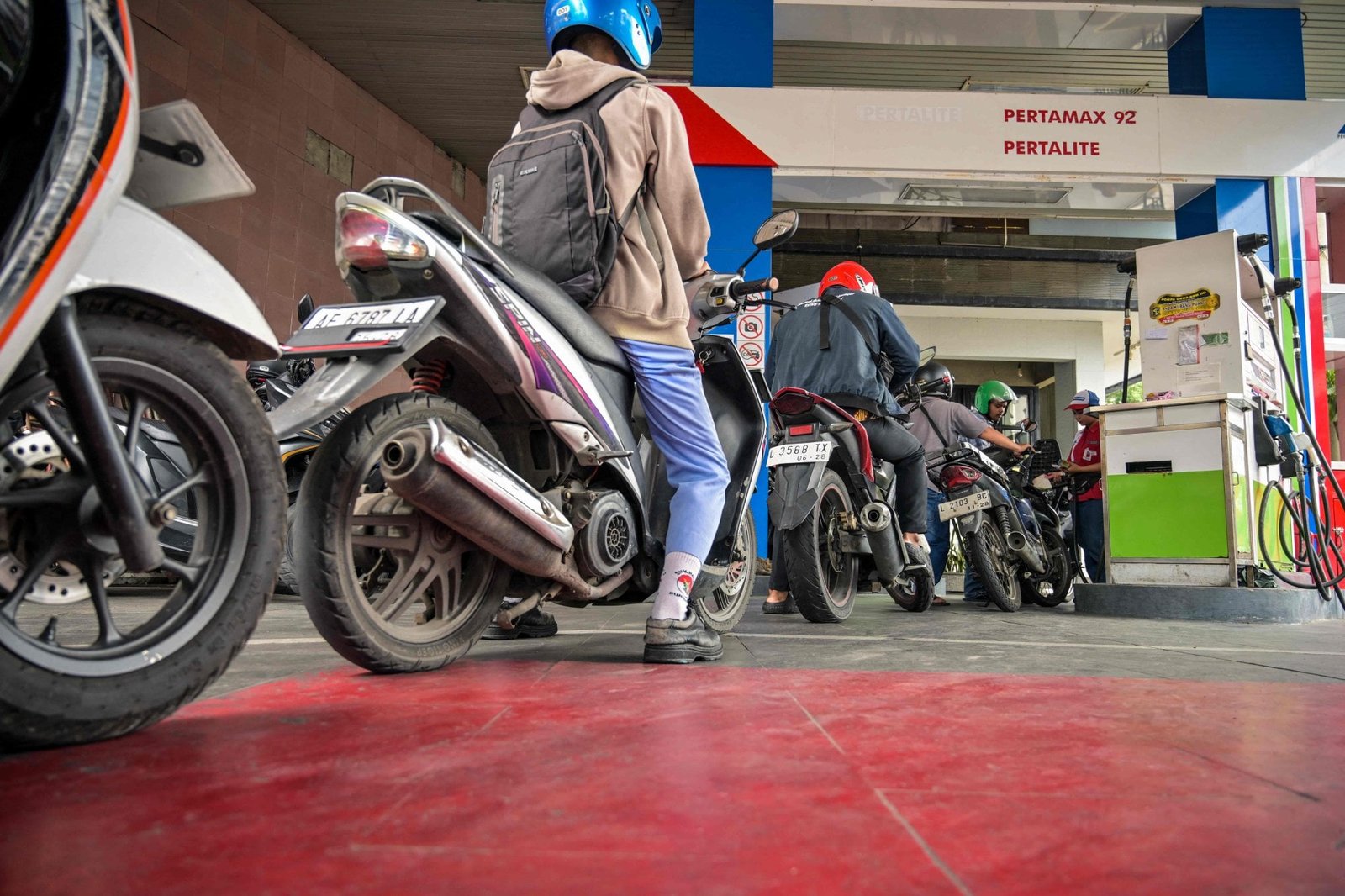
In Monday morning trading, Brent crude rose as high as US$106.50 before settling at US$100.37. For Indonesia, a net oil importer that spends heavily to keep fuel affordable for its citizens, the numbers have become deeply uncomfortable. The government allocated 210.1 trillion rupiah (US$12.37 billion) for energy subsidies this year — but that figure was calibrated for a more stable world.
Airlangga Hartarto, Indonesia’s coordinating minister for economic affairs, has already briefed President Prabowo Subianto on how bad it could get. In the best-case scenario — the Middle East conflict lasting five months with oil holding at US$86 per barrel — Indonesia would still record a budget deficit of 3.18 per cent of gross domestic product. That would breach the country’s legal deficit cap of 3 per cent, a fiscal rule that has long helped prop up investor confidence in Southeast Asia’s largest economy.

The holiday travel surge is about to make things worse. Erika Retnowati, a member of the government’s Downstream Oil and Gas Regulatory Agency Committee, told reporters last week that fuel consumption during Eid was expected to rise 12 per cent above normal levels, with aviation fuel and kerosene demand climbing by 2.8 per cent and 4.2 per cent, respectively.
“If the deficit goes above 3 per cent, the market reaction would likely be negative at first, especially because this rule has long been one of Indonesia’s main fiscal anchors and is closely watched by investors,” said Josua Pardede, chief economist at Permata Bank. “The reaction would probably show up in a weaker rupiah, higher government bond yields and more caution from foreign investors.”
In an interview with Bloomberg on Saturday, Prabowo said the deficit cap could be revised in “a very big emergency like Covid”, though he added that he “hopes that we need not change it”.
Austerity Light
The more politically palatable path — and the one Prabowo appears to be taking — is to squeeze spending rather than raise fuel prices. Past attempts to increase fuel costs have triggered street protests in Indonesia. Instead, Prabowo has floated a package of austerity-light measures including a four-day work week, restrictions on official vehicle use and cuts to the salaries of senior government officials.
“I think we have to strive for savings,” he said at a cabinet meeting on Friday. “Our goal is to have no deficit, if possible. Our target is a balanced state budget; that’s the ideal.”
Prabowo also vowed to crack down on what he called “state revenue leaks” from inefficient spending, under-invoicing, undercounting and administrative manipulation across government institutions. Economists welcomed the proposals to curb energy consumption, but warned they were unlikely to match the scale of the problem.
“A four-day work week, wider work from home or salary cuts for top officials may help save some fuel and show discipline, but they are too small to offset a subsidy shock of that scale,” Josua said. The government’s own stress tests showed the deficit could climb to 3.53 per cent of GDP if oil held at US$97 per barrel, and above 4 per cent in a worst-case scenario, he said.
For others, the harder question is whether Prabowo’s signature initiatives such as the free nutritious meals programme and the Red and White Village Cooperatives scheme can remain fully funded. Together, those two programmes carry around 400 trillion rupiah (US$23.5 billion) in total budgetary commitments.
Yusuf Rendy Manilet, an economist at the Centre of Reform on Economics Indonesia, said that if oil prices stayed in the US$80 to US$90 range, the government might need to find an additional 200 trillion to 300 trillion rupiah to cover fuel subsidies. Redirecting some of that flagship programme funding would be one way to do it, he said. But Prabowo told Bloomberg that would not be happening. The meals programme was “stimulus for growth at the grass-roots level” and not subject to cuts, he said.
Josua offered a middle path: rather than cutting the programme outright, he said the government should tighten procurement, reduce “leakage” and lean on local supply chains so “the same budget delivers more”. He also proposed temporary extra levies on palm oil, nickel, gold and copper as a short-term revenue buffer, alongside more targeted fuel subsidies that direct support to those who genuinely need it rather than subsidising broad consumption.
For now, economists told This Week in Asia they expected the Eid holiday spending season to provide at least a short-term lift to first-quarter growth, so long as fuel prices remained stable and inflation was contained. But the mood was one of tempered optimism.
“Families are more likely to prioritise transport, food and mandatory holiday expenses while delaying discretionary purchases,” Josua said. “In other words, this looks less like a post-Covid slump and more like a cautious Eid shaped by uncertainty, where people still travel and spend but with tighter wallets and more selective choices.”