

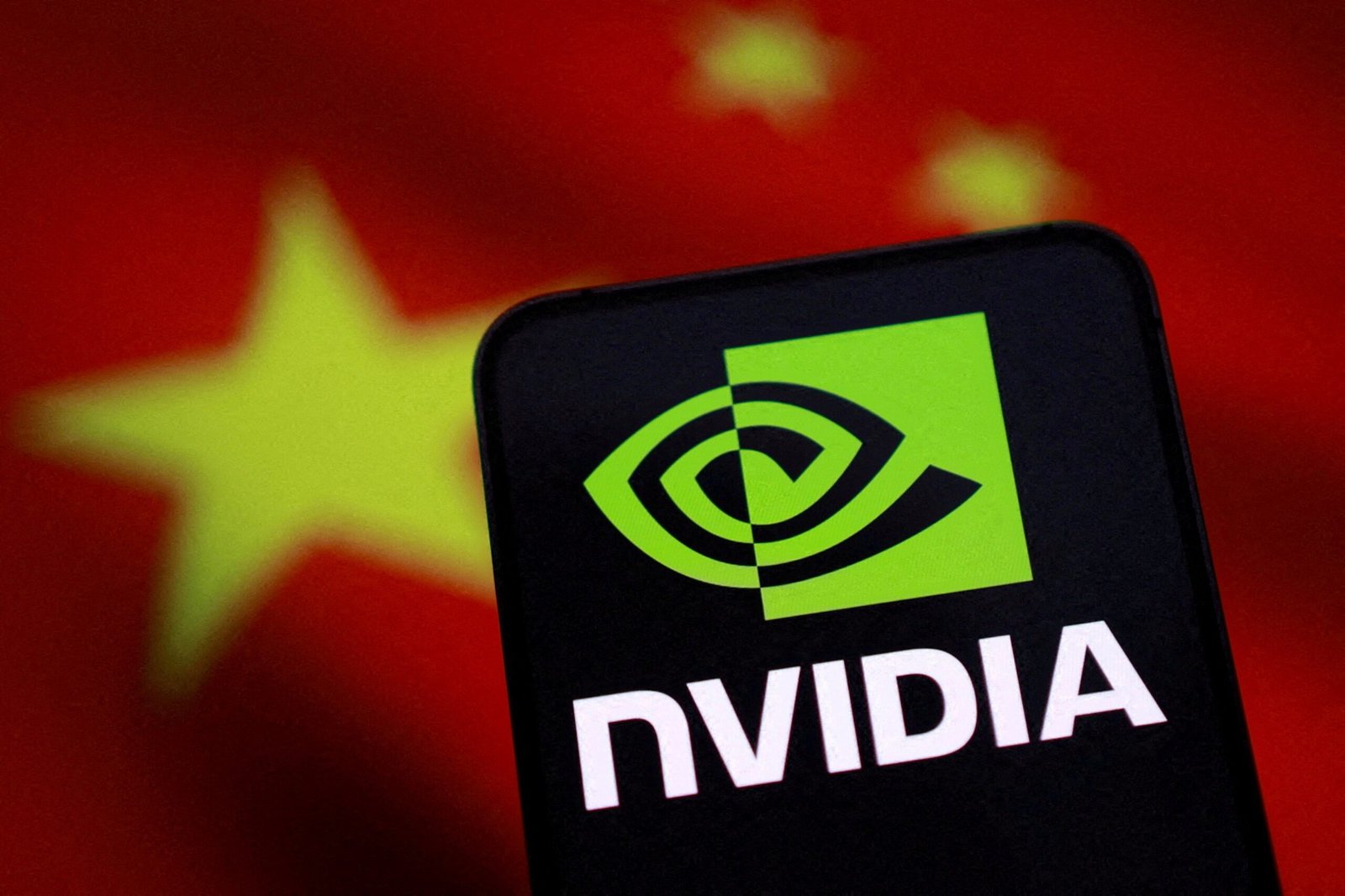

NVIDIA Resumes H200 Production for Export to China
NVIDIA has officially restarted the production of its AI semiconductor, the H200, for export to China. This development was announced by CEO Jensen Huang during the company’s annual developer conference, GTC 2026, held in San Jose, California. At the event, Huang revealed that the company has received purchase orders from Chinese customers, marking a significant shift in the company’s strategy.
Huang emphasized that the situation has changed over the past two to three weeks, leading NVIDIA to resume production. He also mentioned that the company has secured approval for the export of its AI semiconductors from both U.S. and Chinese authorities. This is a crucial step forward, as it indicates a potential easing of restrictions that had previously hindered the flow of high-performance chips to the Chinese market.
A Shift in Strategy
Previously, NVIDIA had halted the production of the H200, reallocating resources to develop next-generation AI semiconductors. The decision was based on a lack of purchase orders from Chinese customers. Industry analysts at the time speculated that Chinese tech companies were hesitant to invest in NVIDIA products due to the country’s push for AI technology self-reliance.
However, recent developments suggest that this hesitation may have eased. The growing AI boom in China, particularly around the AI agent development platform “OpenClaw,” and the upcoming visit of U.S. President Donald Trump to China are seen as factors that may have contributed to the lifting of implicit restrictions.
China’s Role in NVIDIA’s Market
China has historically been a key market for NVIDIA, accounting for 20% of its data center sales. However, as U.S.-China tech tensions escalated, exports of high-performance AI chips to China were completely blocked. In response, NVIDIA shifted its focus to producing and exporting lower-performance chips like the H20 for the Chinese market.
In December of last year, the Trump administration allowed the sale of the H200 to China, provided that the U.S. would receive 25% of the sales revenue. This arrangement marked a pivotal moment in the relationship between the two countries regarding AI technology exports.
New Developments in the Chinese Market
On the same day as the announcement about the H200, Reuters reported that NVIDIA is likely to release a version of Grok’s AI inference chip, LPU, tailored for the Chinese market. Unlike the H20, which had significantly reduced performance compared to existing products, the Chinese version of the LPU is expected to maintain performance levels comparable to other models.
Additionally, NVIDIA recently announced that the Grok 3 LPU product will be manufactured at Samsung Electronics’ foundry. This collaboration could further strengthen NVIDIA’s position in the Chinese market.
Membership Offers for Readers
For readers interested in accessing a wide range of publications, there are several membership options available. One such offer includes a 5900 won membership, with a discounted rate of 2900 won for newspaper readers. Another option provides access to 8 different newspapers and magazines worth 55000 won, along with 7000 points that can be used like cash for shopping. These memberships aim to offer value and convenience to readers seeking comprehensive access to information.